Avian Brands: Winning the Perception Battle in Indonesia's Waterproofing Category
Brand strategy and packaging redesign that closed the perception gap and made No Drop the premium choice.
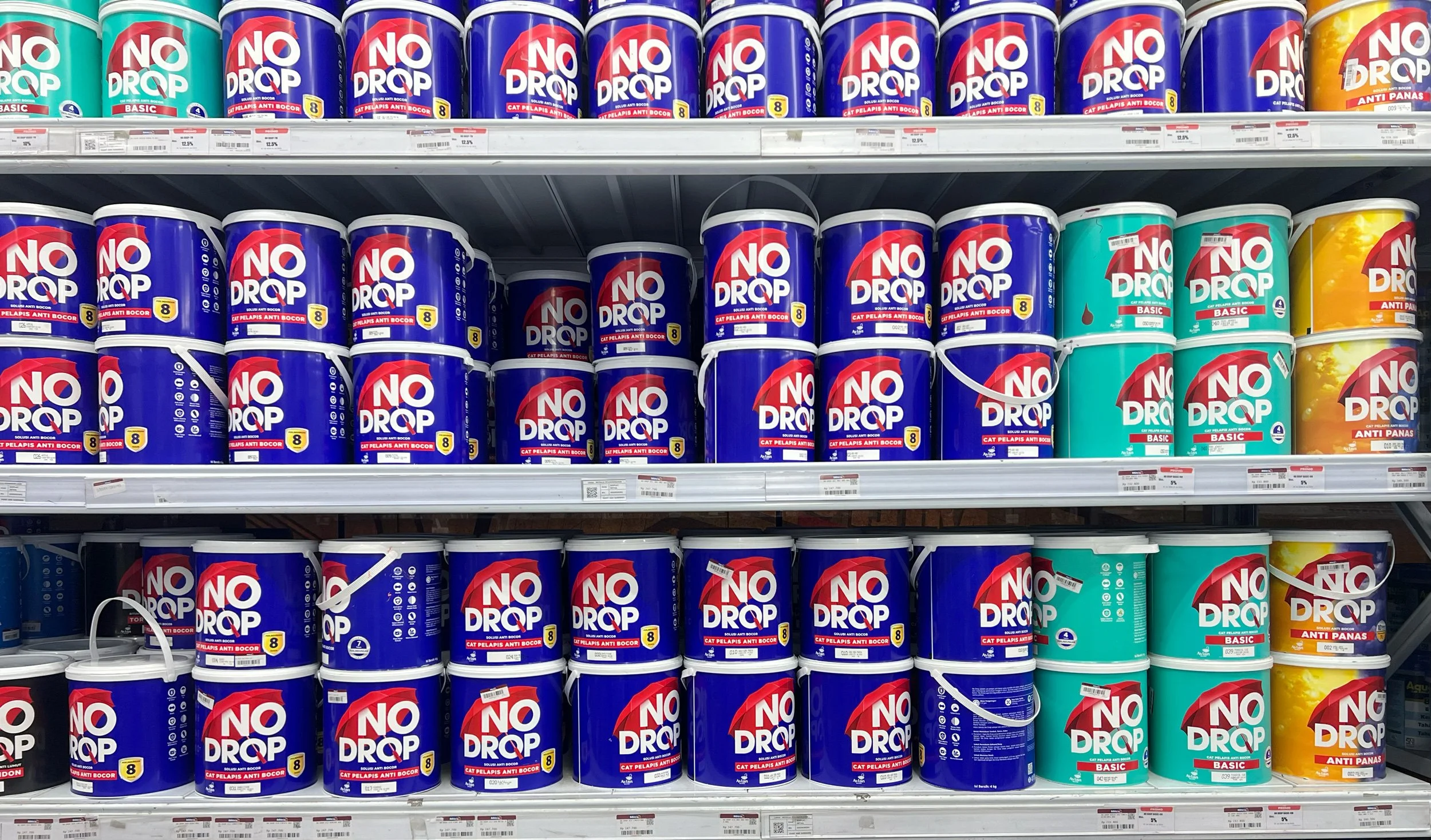
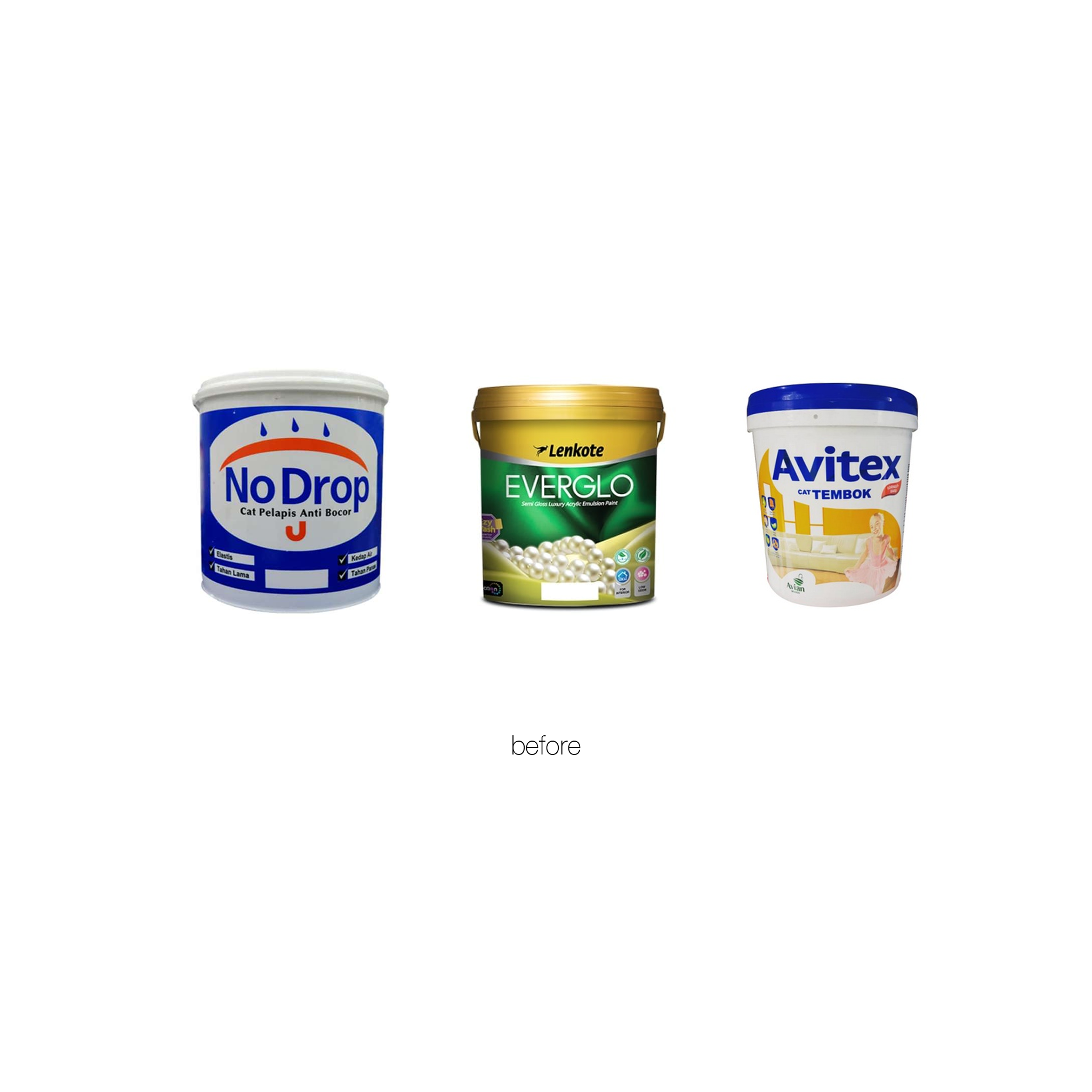
No Drop had a facts problem that was actually a perception problem. In Indonesia's waterproofing category: cat anti bocor. Avian Brands held genuine product quality. The formulation was strong, the distribution was wide, the brand had been in the market long enough to be familiar. None of it was translating into the right consumer conclusion. When contractors and homeowners stood in front of the shelf and compared No Drop against its main competitor, the competitor kept pulling ahead, not on product merit, but on packaging authority. Sales campaigns and trade promotions before Cato Brand Partners involvement hadn't moved that needle because they were fighting a perception war with the wrong tools.
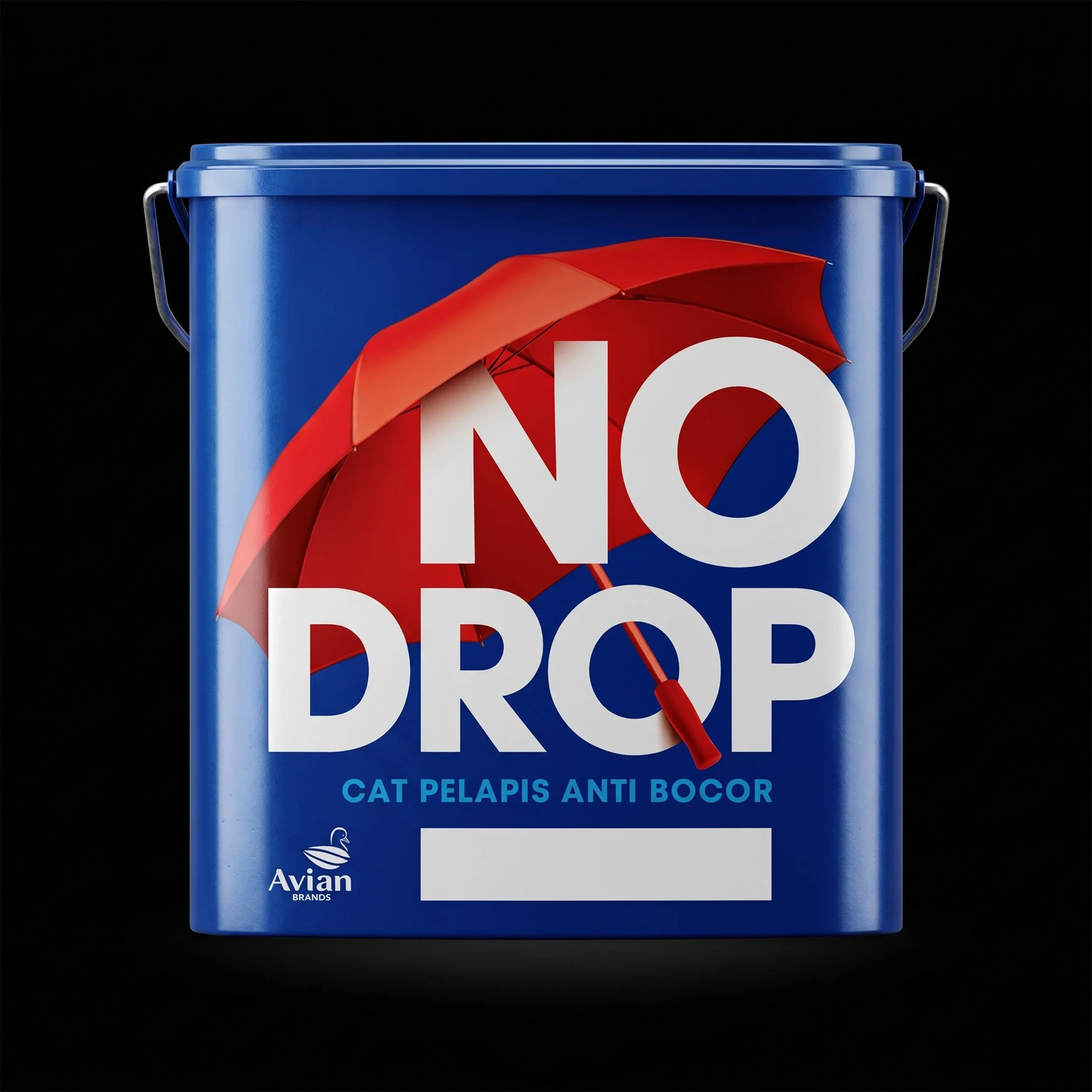
The strategic diagnosis was straightforward: No Drop's packaging was communicating the wrong things. It lacked the visual signals, technical precision, material quality, graphic confidence, that Indonesian buyers and professional contractors use as proxies for product performance. In a category where the purchase decision carries real financial and structural consequence for the buyer, packaging that looks premium is packaging that gets chosen.
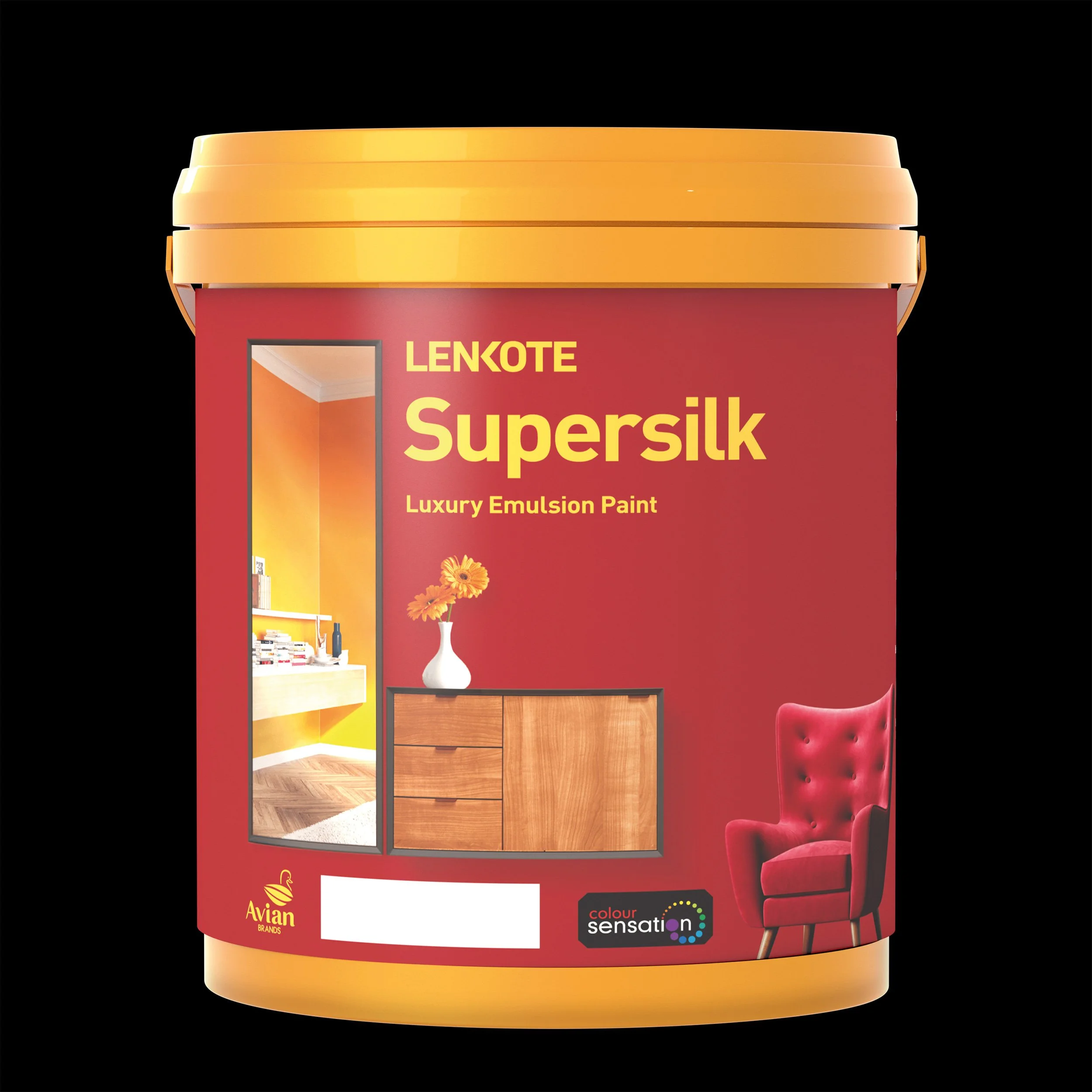
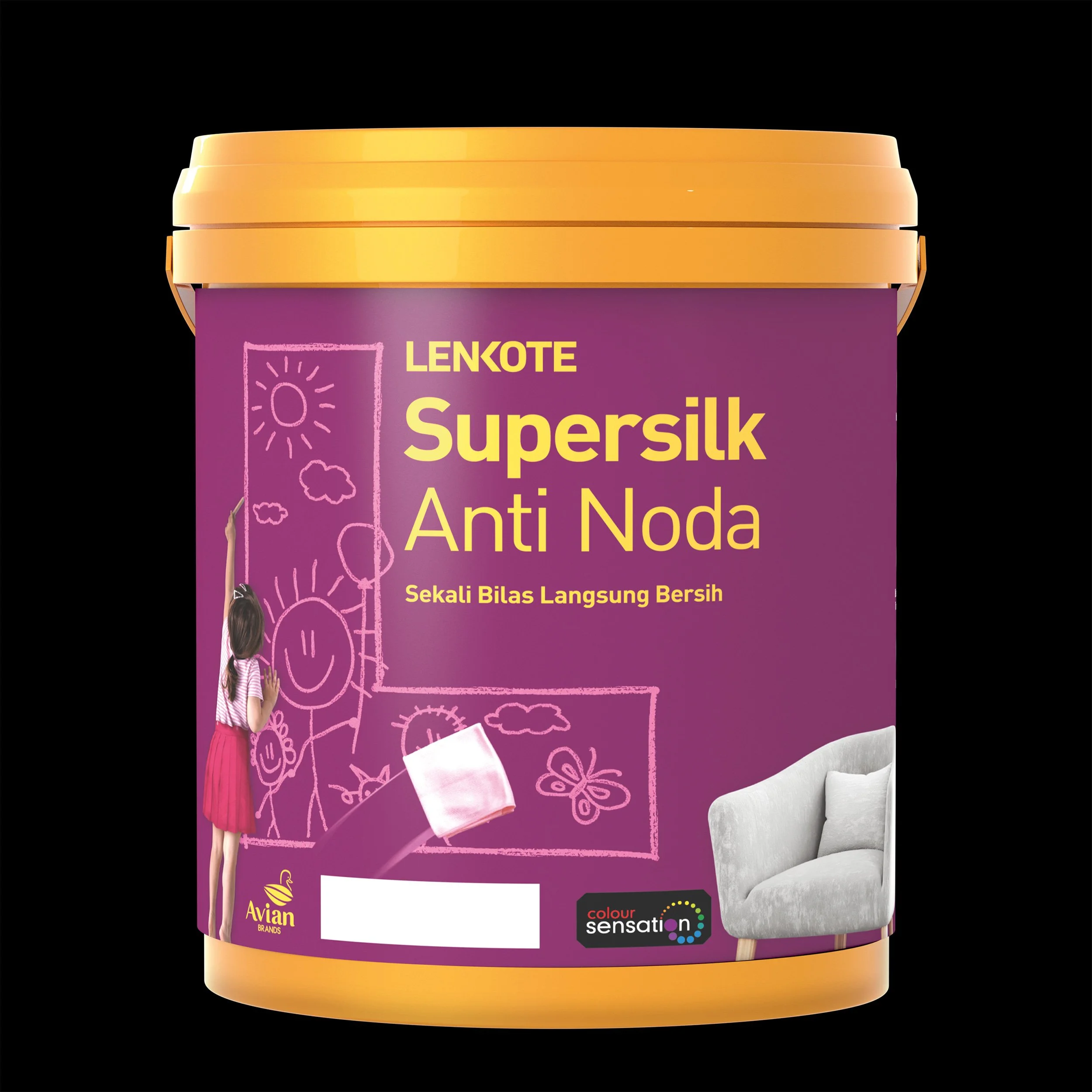
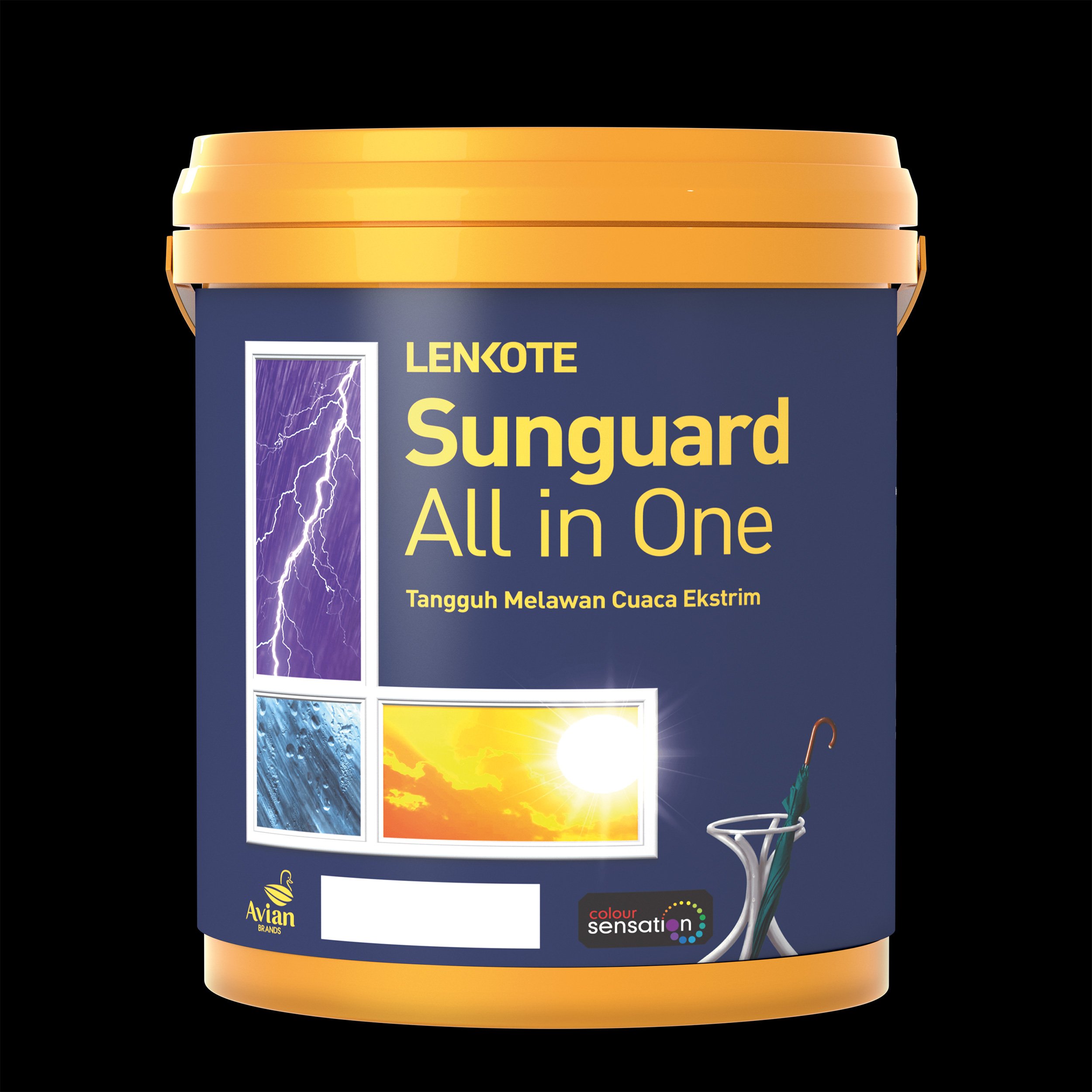
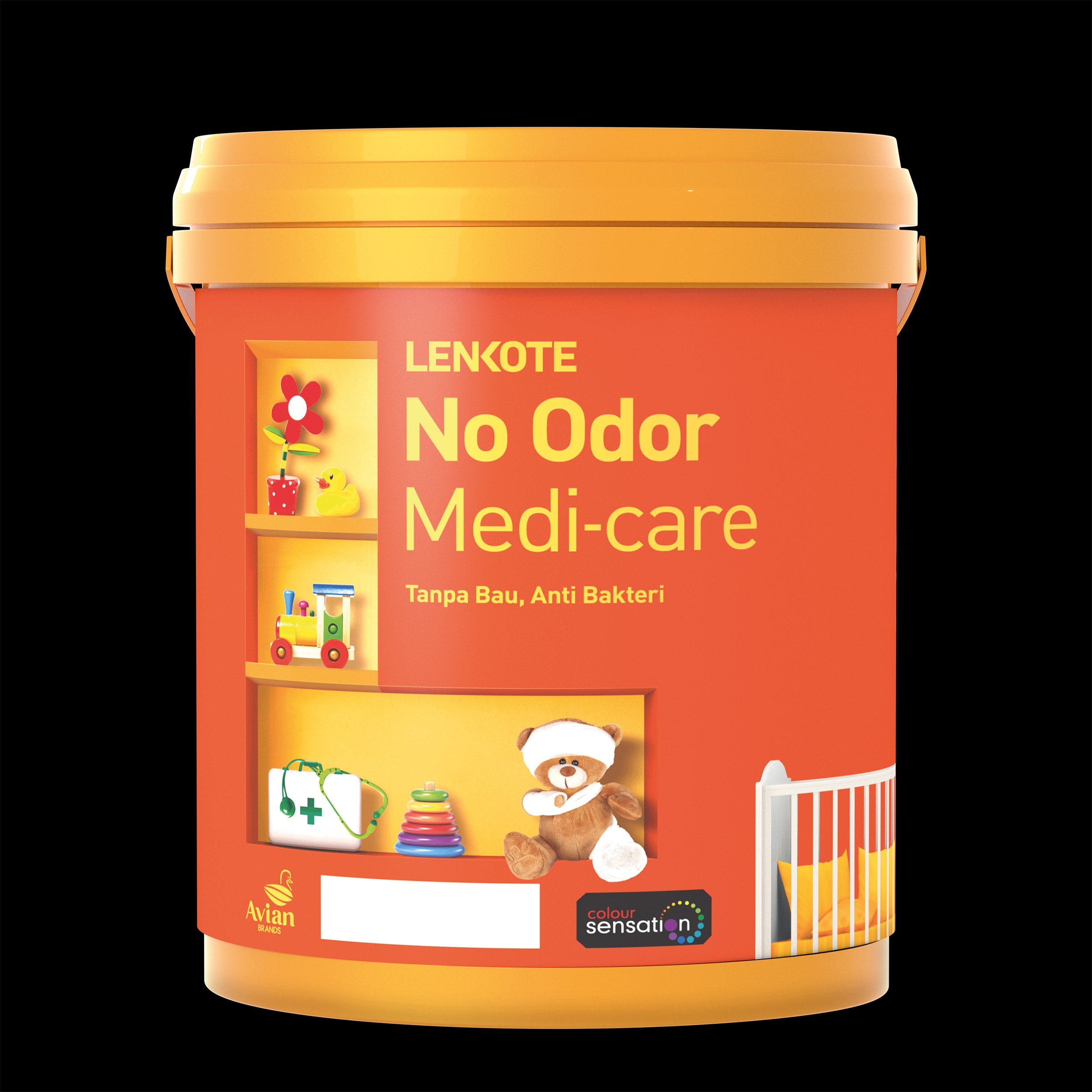
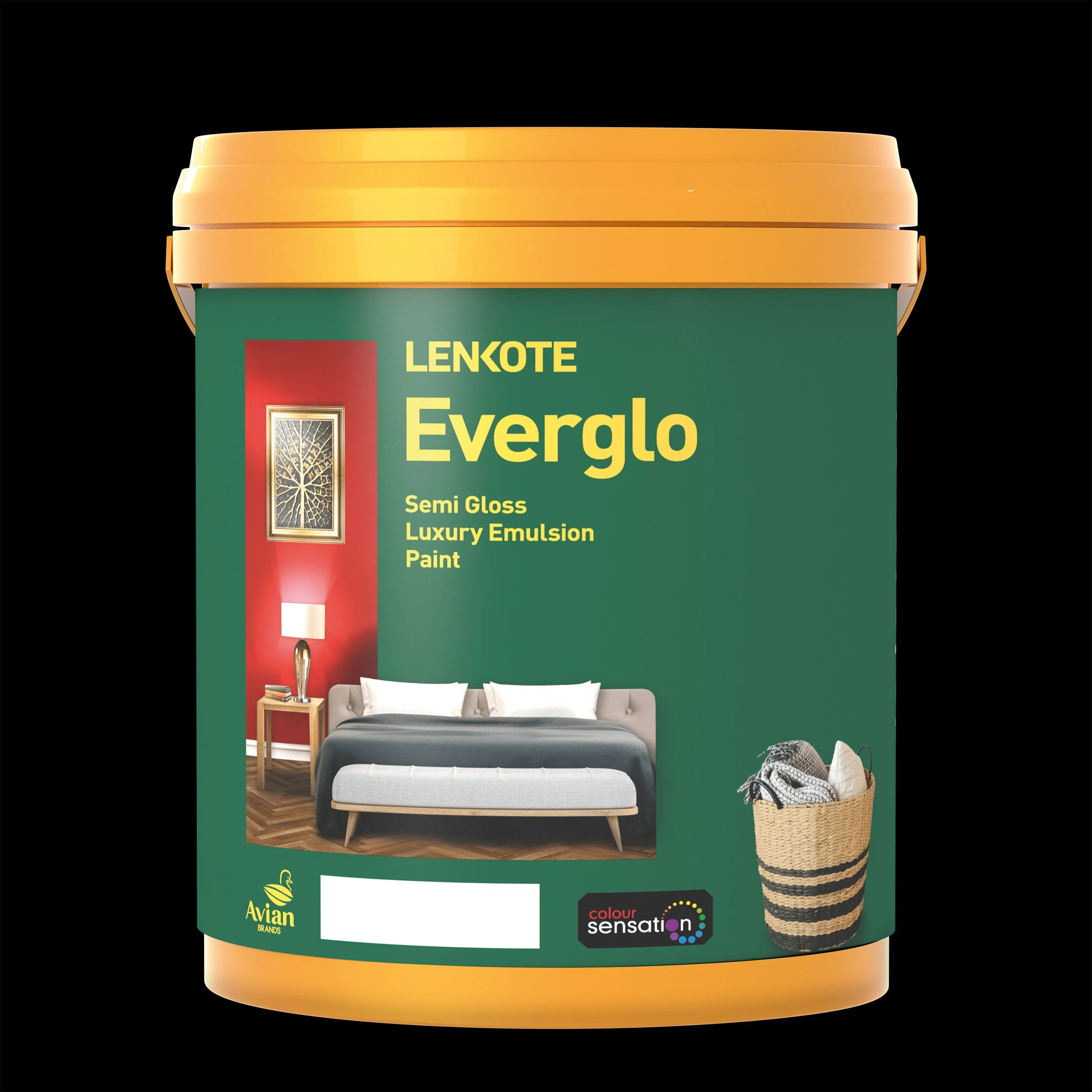
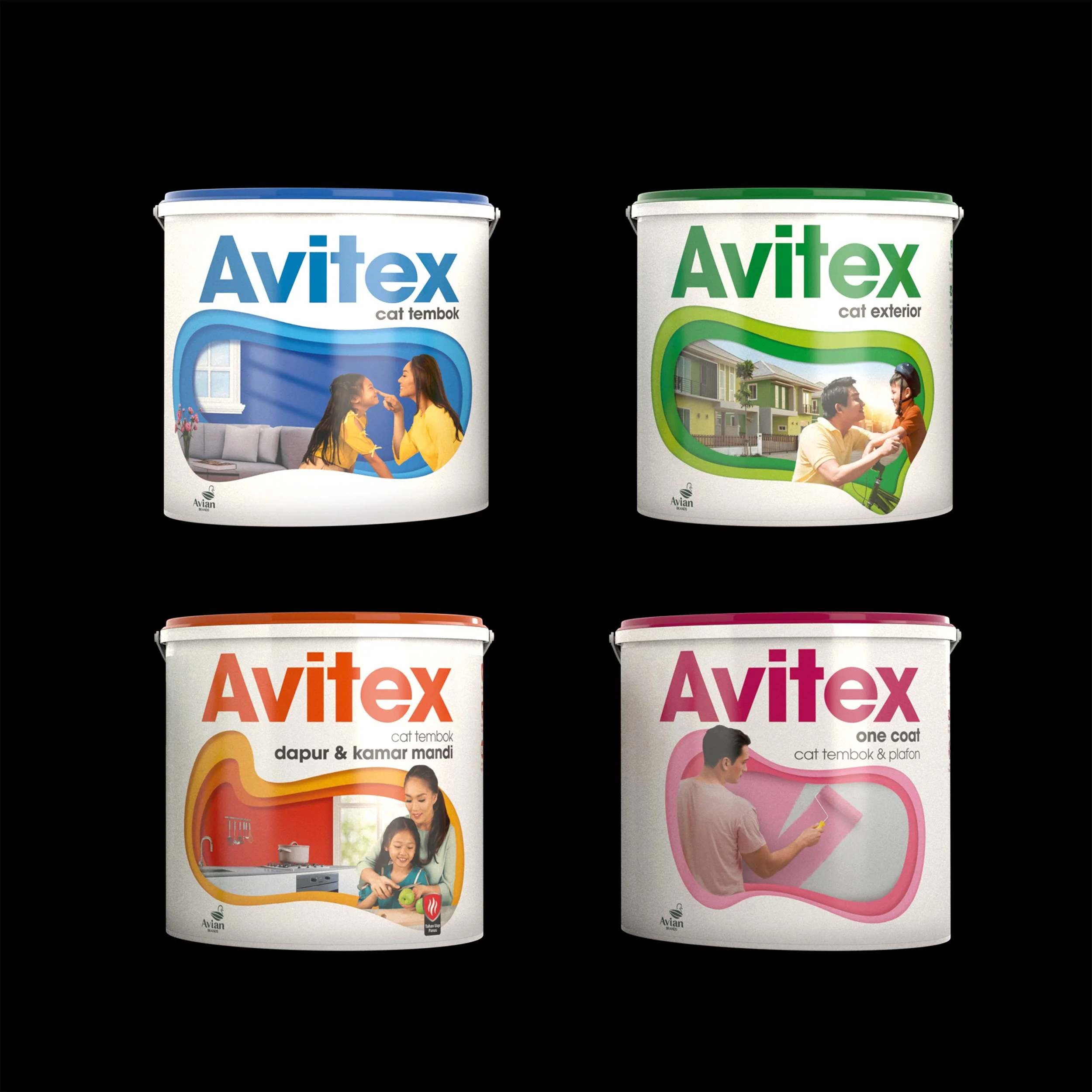
Komunikasia Cato Brand Partners developed the brand strategy and packaging redesign across the broader Avian Brands portfolio, with No Drop as the lead. The design direction preserved No Drop's existing colour coding and core visual recognition, equity that had taken years to build and couldn't be discarded, while introducing a tighter layout hierarchy, technical typography, and finish quality that closed the visual gap against the competitor. The goal was a pack that read as the more serious, more capable, more professional product.
The packaging also needed to work across two distinct buyer types simultaneously: professional contractors purchasing through trade channels in volume, and retail homeowners making a considered one-off purchase. Both groups use visual cues to judge product credibility, but they weight different signals. The system was built to satisfy both reads without diluting either.
The outcomes were commercial and perceptual.
No Drop grew sales volume, expanded into adjacent waterproofing categories beyond its original product line, and repriced above the competitor, the clearest possible market signal that the perception gap had closed. When a brand can command a higher price than the competitor it was losing to on perception, the strategy worked.