Nabati: Repositioning Indonesia's Wafer Brand for a Global Market
From warung shelves to international retail : a brand strategy and packaging system built to travel.
Elevating Product Packaging to Drive Market Growth
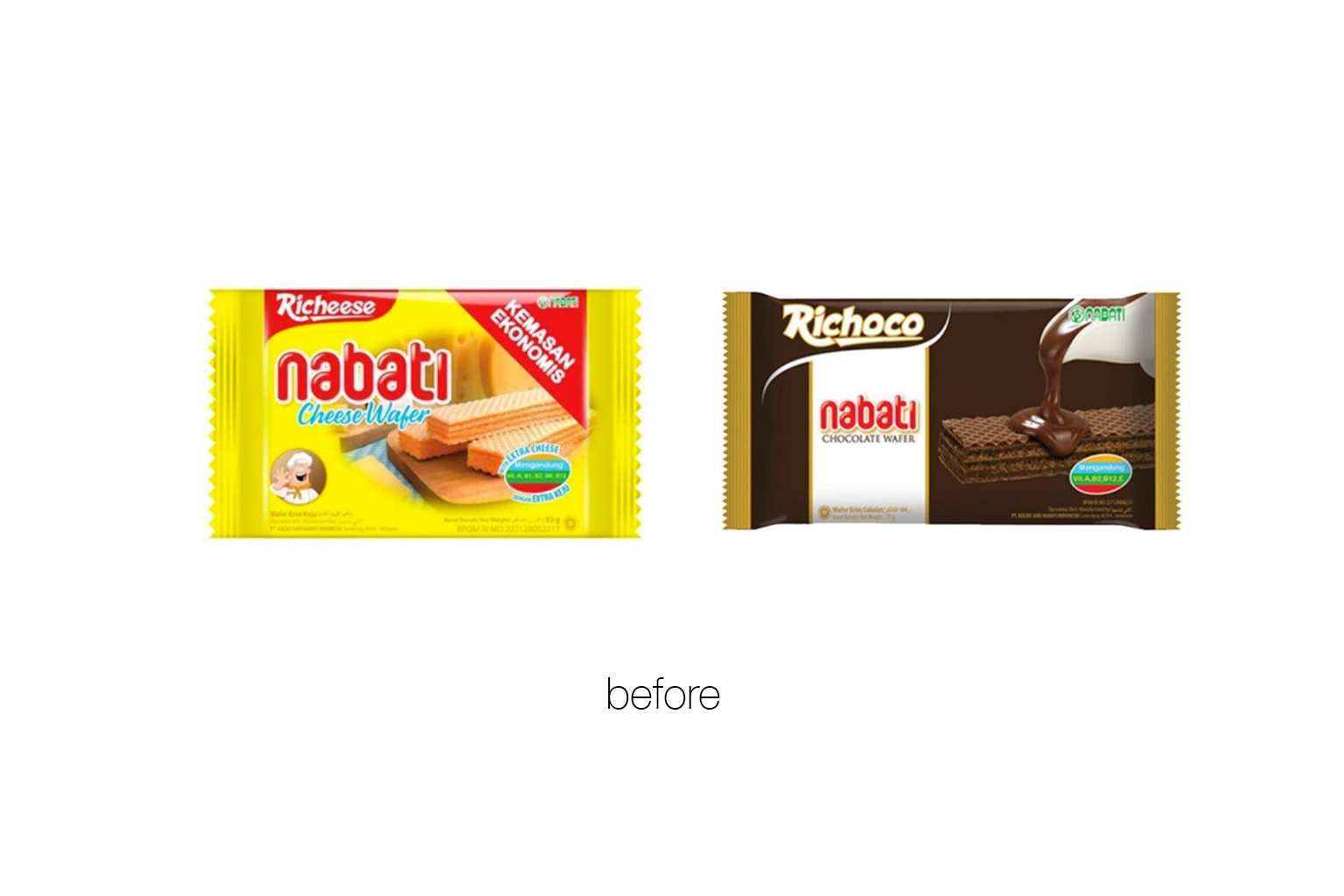
Nabati had a distribution problem that looked like a design problem. The brand was everywhere in Indonesia, cheap, familiar, trusted, but stuck in the warung channel and invisible to the urban millennial and Gen Z consumers driving Indonesia's modern trade growth. Younger buyers wanted products that fit their aesthetic and lifestyle. Nabati's packaging, designed for price-point visibility on a roadside shelf, wasn't speaking that language. And in China, the brand had no language at all.
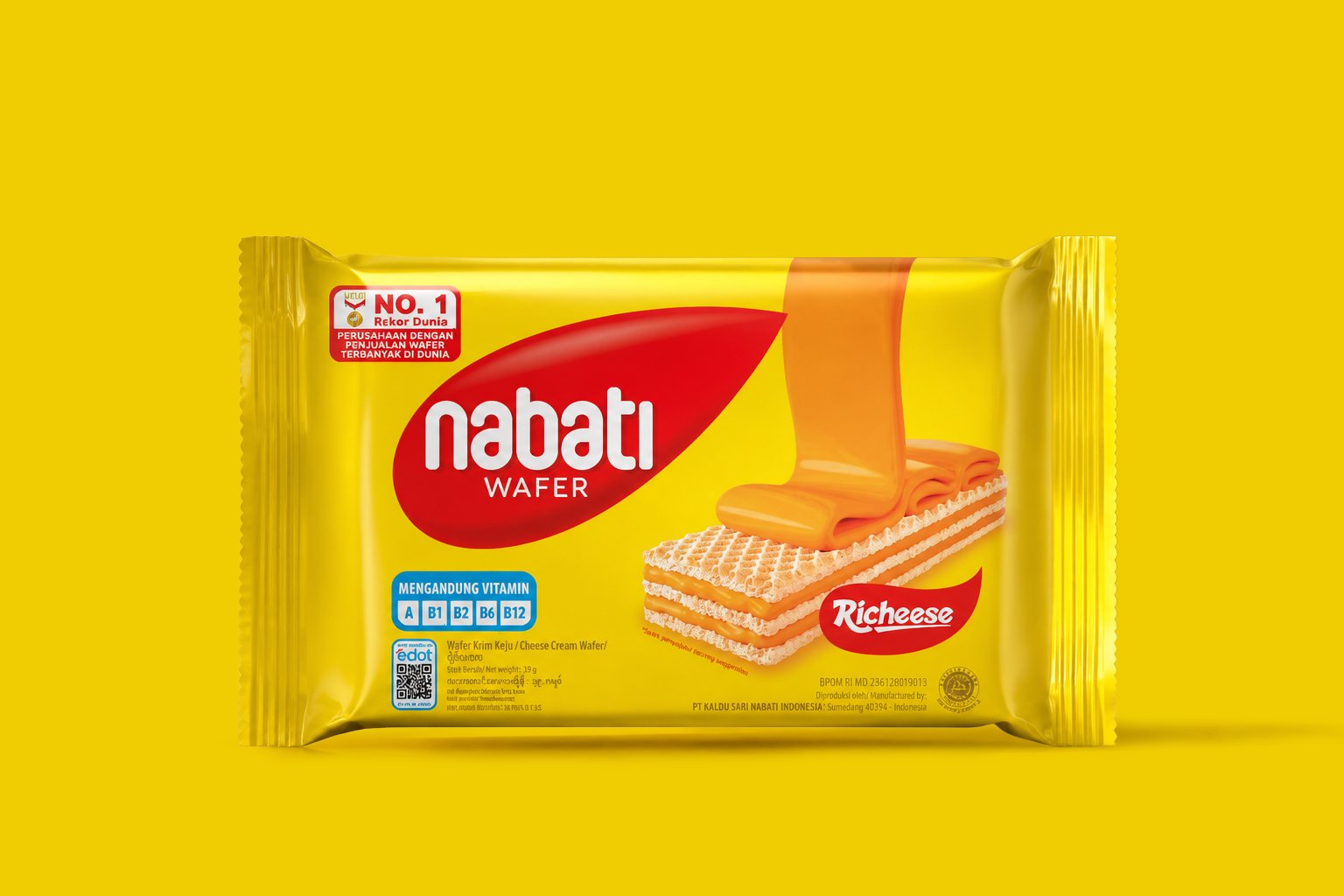
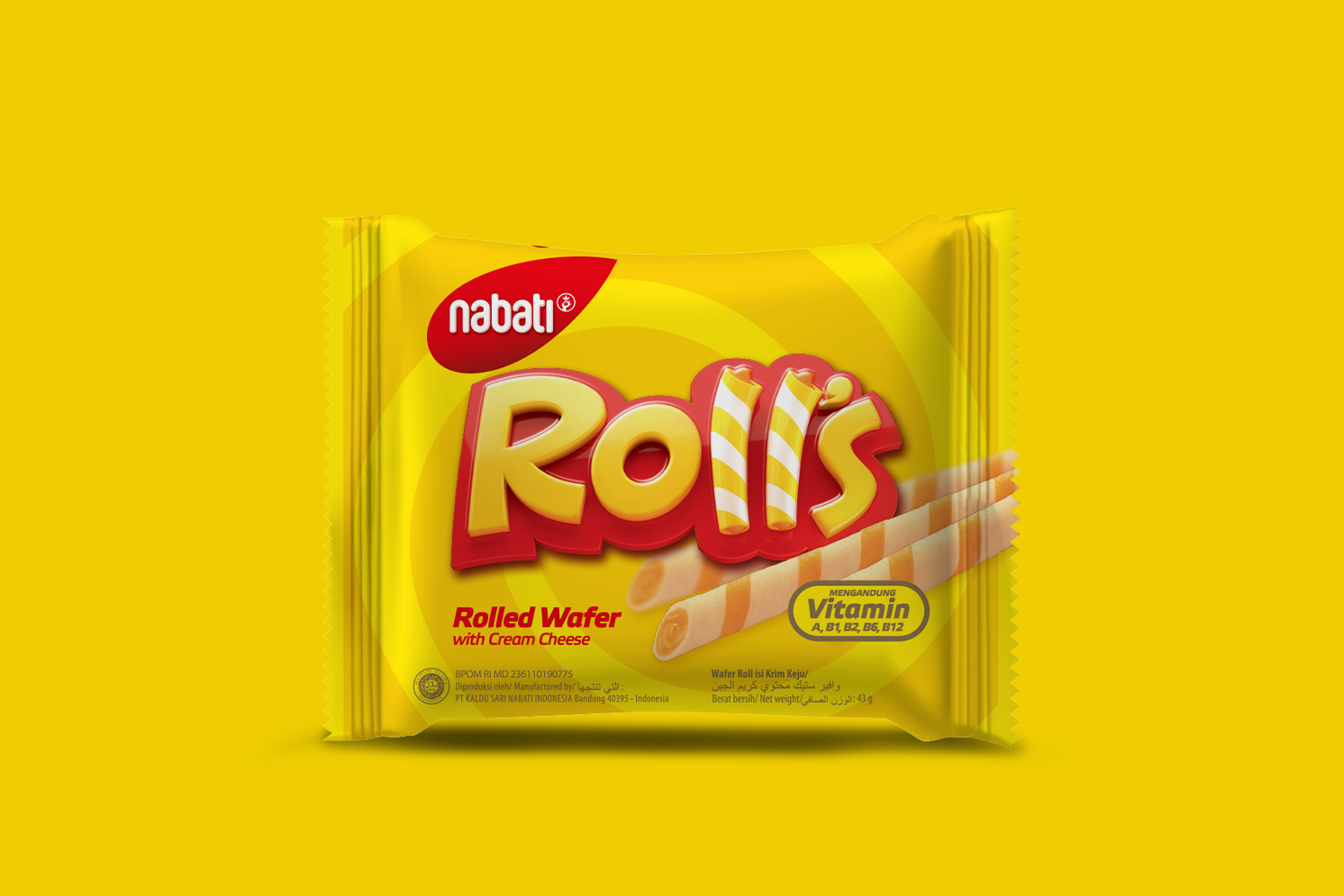
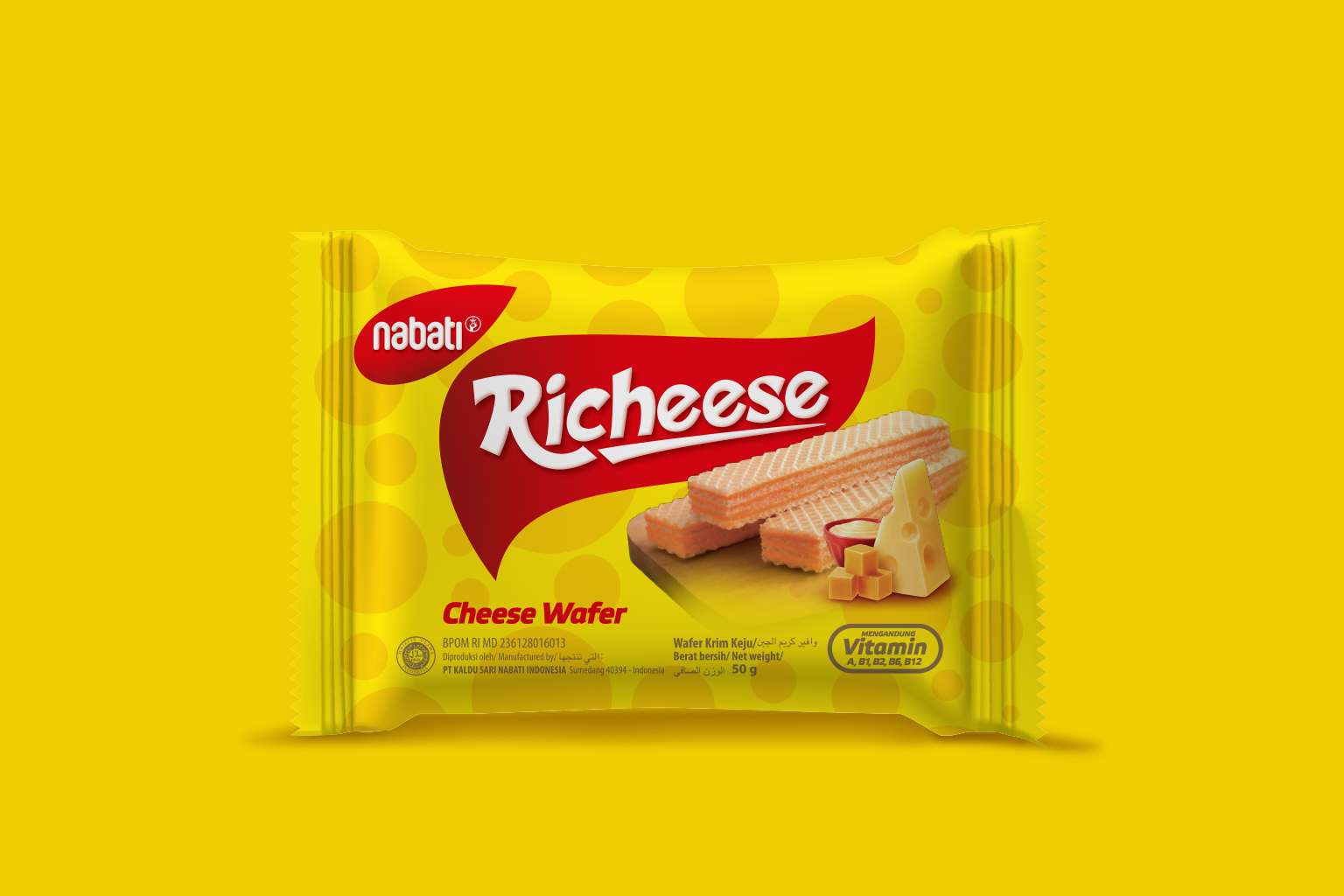
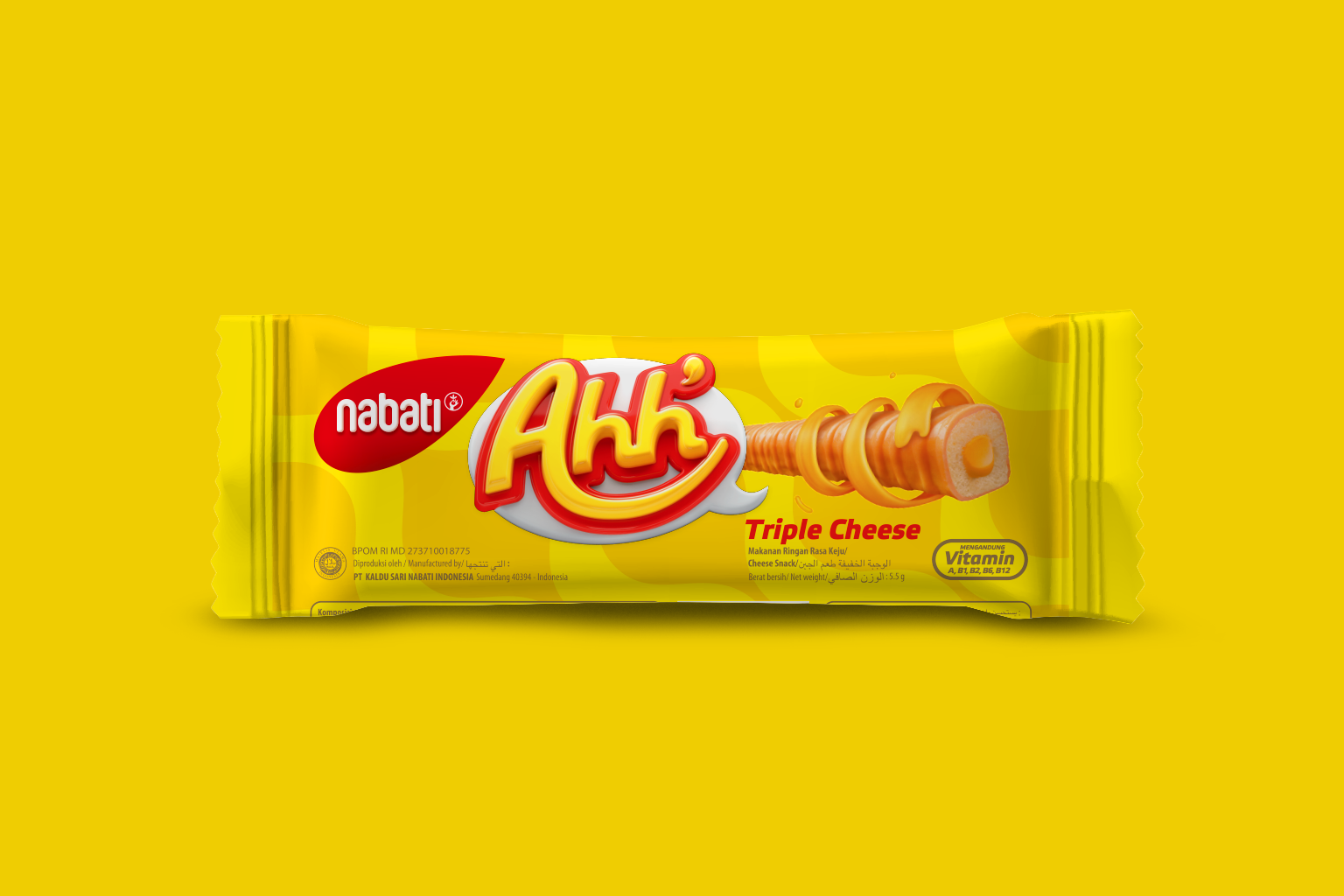
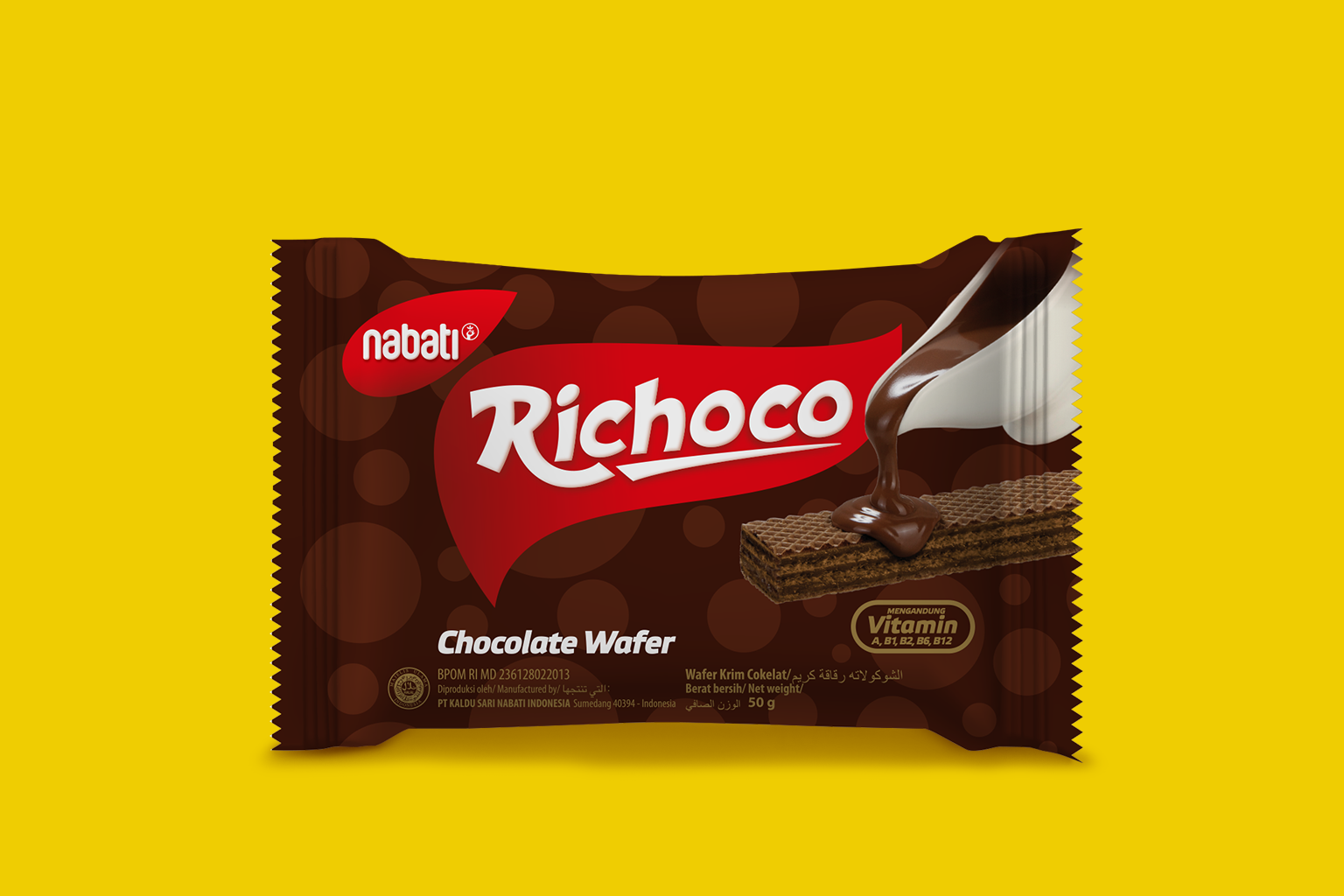
The brief was to hold what Nabati had,genuine mass affordability and national familiarity, while building a visual identity capable of earning shelf space in modern trade formats across Indonesia and retail channels in China. Komunikasia developed the brand strategy and full packaging system to achieve both without abandoning either. The positioning we built around premium-affordable gave the design work a clear commercial logic: not a luxury product, not a commodity, but something a younger urban buyer could choose without feeling like they were settling.
The packaging system was built to scale across product lines and across borders, carrying consistent brand signals that read as deliberate and contemporary rather than merely cheap-and-cheerful. In China, it needed to land as a credible imported product. In Indonesia, it needed to graduate from the warung into supermarkets and convenience chains without losing the recognition that had built the brand.
Nabati is now the largest wafer producer in the world. The Indonesian and Chinese markets both contributed to that growth, and the packaging system Komunikasia Cato Brand Partners built is part of what made the brand's international expansion viable from a retail standpoint.